Guangzhou Hao Fei Xin Lace Fabric Co., Ltd. Добро пожаловать.

Главная страница> Информационный центр> Почему красное кружево ручной работы стало символом элегантности
Почему красное кружево ручной работы стало символом элегантности
Время публикации:2025-11-30 16:01:10
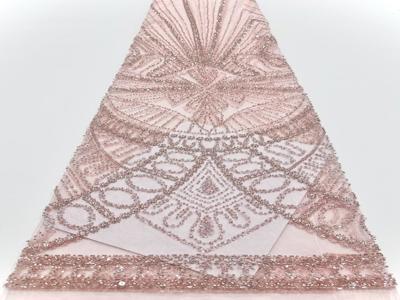
В мире моды и декоративных искусств немногие материалы могут сравниться с изысканностью и таинственностью красного кружева ручной работы. Этот уникальный текстиль, созданный с непревзойденным мастерством, стал синонимом элегантности, олицетворяя роскошь, страсть и вечную красоту. Но почему именно красное кружево ручной работы заняло такое почетное место в пантеоне стиля? Чтобы ответить на этот вопрос, мы должны погрузиться в его богатую историю, исследовать культурные коннотации, понять процесс его создания и проанализировать его влияние на современную моду и общество. В этой статье мы подробно рассмотрим эти аспекты, раскрывая многогранные причины, по которым красное кружево ручной работы продолжает восхищать и вдохновлять.
Кружево, как форма текстильного искусства, имеет глубокие исторические корни, восходящие к эпохе Возрождения в Европе. Первые упоминания о кружеве появились в Италии и Фландрии в XV веке, где оно использовалось для украшения одежды знати и духовенства. Изначально кружево создавалось вручную с помощью иглы или коклюшек, и его производство требовало огромного терпения и навыков. Красный цвет, получаемый из натуральных красителей, таких как кошениль или марена, был редким и дорогим, что делало красное кружево предметом роскоши, доступным лишь избранным.
В XVII и XVIII веках кружево стало символом статуса и богатства в европейских королевских дворах. Французские короли, такие как Людовик XIV, покровительствовали кружевным мануфактурам, и красное кружево часто украшало парадные костюмы и интерьеры дворцов. В России кружево ручной работы получило распространение при Петре Великом, который импортировал европейские техники и поощрял местное производство. Красный цвет, ассоциирующийся с властью и страстью, идеально сочетался с элегантностью кружева, создавая произведения искусства, которые передавались из поколения в поколение.
Индустриальная революция XIX века принесла механизированное производство кружева, сделав его более доступным, но ручное кружево сохранило свою исключительность. Красное кружево ручной работы стало атрибутом haute couture и элитарной моды, подчеркивая его историческую связь с аристократией и роскошью. Эта историческая преемственность укрепила его статус как символа элегантности, ведь оно несет в себе наследие веков мастерства и искусства.
Красный цвет имеет универсальное символическое значение в различных культурах. Он ассоциируется с любовью, страстью, силой и жизнью. В сочетании с кружевом, которое символизирует изысканность, delicacy и искусность, красное кружево ручной работы приобретает глубокий культурный резонанс. В западной культуре, например, красное кружево часто используется в свадебных нарядах или вечерних туалетах, передавая messages of romance and sophistication.
В восточных культурах, таких как китайская или индийская, красный цвет традиционно символизирует удачу, праздник и prosperity. Кружево, хотя и не исконно местное, было адаптировано и интегрировано в традиционные костюмы, добавляя layer of elegance and modernity. Это кросс-культурное adoption подчеркивает универсальную привлекательность красного кружева ручной работы как символа элегантности, transcending geographical and temporal boundaries.
Кроме того, кружево ручной работы часто связано с femininity и женской силой. Исторически, многие кружевницы были женщинами, которые развивали это искусство как form of economic independence and creative expression. Красное кружево, таким образом, может символизировать empowerment and beauty, enhancing its elegant image. In literature and art, red lace has been depicted as a motif of mystery and allure, further cementing its status in the collective imagination as an emblem of refinement.
Создание кружева ручной работы — это трудоемкий и intricate процесс, требующий years of training and immense patience. Techniques vary from needle lace to bobbin lace, each with its own complexities. For red lace, the dyeing process is crucial; натуральные красители, такие как кошениль (из насекомых) или растительные источники, используются для достижения стойкого и насыщенного красного оттенка, который не выцветает со временем.
Мастер кружевница начинает с designing the pattern, often drawing inspiration from nature, geometry, or historical motifs. Then, using fine threads of linen, silk, or cotton, she meticulously works the lace, sometimes taking weeks or months for a single piece. The red color adds an extra layer of challenge, as it must be evenly applied and maintained throughout the process. This handcrafted approach ensures that each piece of red lace is unique, with slight variations that highlight its artisanal quality.
В отличие от машинного кружева, ручное производство сохраняет human touch and imperfection, which are valued in the context of elegance. It represents a rejection of mass production and a return to authenticity and craftsmanship. Consumers and designers appreciate red hand-made lace for its texture, depth, and the story behind it, making it a symbol of timeless elegance in a fast-paced world.
В индустрии моды красное кружево ручной работы продолжает вдохновлять дизайнеров и быть key element in haute couture и ready-to-wear коллекциях. Legendary designers like Coco Chanel and Christian Dior incorporated lace into their creations, using red to add drama and sophistication. In contemporary fashion, red lace appears on runways from Paris to Milan, often in evening gowns, lingerie, or accessories, symbolizing a blend of tradition and innovation.
Современные тенденции emphasize sustainability and ethical production, which align perfectly with hand-made lace. As consumers become more conscious of fast fashion's environmental impact, red hand-made lace offers a sustainable alternative that supports artisans and preserves cultural heritage. Designers are collaborating with lace-makers from regions like Belgium, France, or Russia, where traditional techniques are still alive, ensuring that red lace remains relevant and elegant.
Moreover, red lace has found its way into popular culture through films, music, and social media. Iconic moments, such as a celebrity wearing a red lace dress on the red carpet, reinforce its association with glamour and elegance. Social media platforms like Instagram and Pinterest are filled with images of red lace, inspiring new generations to appreciate its beauty and incorporate it into their personal style.
Элегантность — это не только визуальное качество, но и эмоциональное experience. Красное кружево ручной работы evokes feelings of luxury, exclusivity, and nostalgia. The color red stimulates excitement and confidence, while the intricate patterns of lace calm the mind with their order and beauty. This combination creates a powerful psychological impact, making the wearer or observer feel elevated and refined.
Исследования в области психологии цвета показывают, что красный цвет attracts attention and conveys passion, which is why it is often used in contexts where elegance is desired, such as formal events or romantic settings. Hand-made lace, with its tactile quality, engages the sense of touch, adding a layer of sensory pleasure that enhances its elegant appeal. People are drawn to red lace because it tells a story of human effort and artistry, fostering a deeper connection than mass-produced items.
In interior design, red lace elements, such as curtains or tablecloths, can transform a space into an elegant sanctuary. This versatility across fashion and decor underscores its role as a multifaceted symbol of elegance, capable of adapting to various contexts while maintaining its core attributes.
Производство красного кружева ручной работы имеет значительные экономические и социальные implications. It provides livelihood for artisans in communities where lace-making is a traditional craft, helping to preserve cultural identities and support local economies. For example, in regions like Vologda in Russia or Bruges in Belgium, lace-making is a source of pride and income, contributing to the global perception of red lace as a valuable and elegant commodity.
However, the high cost of hand-made red lace due to the labor-intensive process limits its accessibility, reinforcing its association with luxury and elitism. This exclusivity adds to its elegant image, as it is not something everyone can afford or obtain easily. In a world where mass production dominates, hand-made red lace stands out as a testament to quality over quantity, appealing to discerning consumers who value uniqueness and heritage.
Socially, the appreciation of red hand-made lace fosters a sense of community among collectors, designers, and enthusiasts. Events like lace festivals or exhibitions celebrate this art form, promoting cultural exchange and education. By choosing red lace, individuals make a statement about their tastes and values, aligning themselves with a tradition of elegance and craftsmanship.
Хотя кружево бывает разных цветов, красное обладает distinct advantages that cement its status as a symbol of elegance. Compared to white or black lace, red is more vibrant and emotionally charged, making it ideal for making a bold statement. White lace often symbolizes purity and is common in weddings, while black lace conveys mystery and sophistication, but red combines both passion and refinement in a unique way.
In terms of materials, hand-made lace using natural fibers like silk or linen offers superior quality and durability compared to synthetic alternatives. The red dye from natural sources tends to be more lustrous and environmentally friendly, enhancing the overall elegance. Machine-made lace, while practical, lacks the depth and character of hand-made pieces, further highlighting why red hand-made lace is prized in high-end fashion and decor.
Other colors, such as gold or pastel shades, have their own appeal, but red remains universally recognized as a color of importance and elegance. Its ability to complement various skin tones and settings makes it a versatile choice, ensuring its enduring popularity.
Looking ahead, the future of red hand-made lace appears bright, driven by a growing interest in sustainability, artisan crafts, and personalized fashion. Technological advancements, such as digital tools for design and e-commerce platforms, are making it easier for artisans to reach global audiences, while maintaining the hand-crafted essence. Collaborations between traditional lace-makers and modern designers are innovating new applications, from tech-infused textiles to architectural elements.
Educational initiatives and apprenticeships are crucial for passing down skills to future generations, ensuring that the art of red lace-making does not die out. As consumers continue to seek authenticity and meaning in their purchases, red hand-made lace will likely remain a symbol of elegance, evolving with trends while staying true to its roots.
In conclusion, red hand-made lace has become a symbol of elegance due to its rich history, cultural significance, meticulous craftsmanship, and emotional impact. It represents a fusion of art and utility, tradition and innovation, making it a timeless icon in the worlds of fashion and beyond. By appreciating and supporting this art form, we contribute to a legacy of beauty and refinement that transcends generations.
Таким образом, красное кружево ручной работы — это не просто textile, а embodiment of human creativity and elegance. Its journey from historical courts to modern runways demonstrates its enduring appeal, and as we move forward, it will continue to inspire and captivate those who value the finer things in life.
Предыдущая статья: Зеленая лента это символ экологической ответственности каждого из нас
Следующий пост: Розовое кружево твой летний шик в 2024
Адрес:Room 405, Juji Commercial Building, No. 5 Dexing Road, Pengshang, Lianbian, Helong Street, Guangzhou, Guangdong, China Телефон:1388xx888xx Мобильные телефоны:1388xx888xx Контактные лица:Shawn