Guangzhou Hao Fei Xin Lace Fabric Co., Ltd. Добро пожаловать.

Главная страница> Информационный центр> Чем отличаются полиэстеровые кружева от других материалов
Чем отличаются полиэстеровые кружева от других материалов
Время публикации:2025-12-04 08:01:10
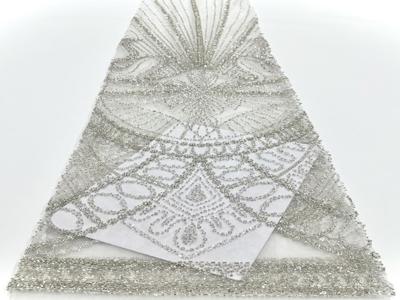
Кружево — это неотъемлемая часть модной индустрии, которая придает элегантность и утонченность одежде, аксессуарам и домашнему текстилю. Среди разнообразия материалов, используемых для изготовления кружева, полиэстер занимает особое место. В этой статье мы подробно рассмотрим, чем полиэстеровые кружева отличаются от других материалов, таких как хлопок, шелк, лен и вискоза. Мы обсудим ключевые аспекты, включая прочность, гигиенические свойства, легкость ухода, ценовую доступность, экологичность и влияние на моду. Это поможет вам сделать осознанный выбор при покупке или использовании кружевных изделий.
Кружево имеет богатую историю, восходящую к эпохе Возрождения, когда оно было символом роскоши и статуса. Сегодня оно производится из различных материалов, каждый из которых обладает уникальными характеристиками. Полиэстер, как синтетический материал, появился в середине XX века и быстро завоевал популярность благодаря своей универсальности. Но насколько он хорош по сравнению с натуральными аналогами? Давайте разберемся.
Полиэстер — это синтетический полимер, получаемый из нефтехимических продуктов. Процесс производства включает полимеризацию этиленгликоля и терефталевой кислоты, что приводит к образованию прочных волокон. Эти волокна затем прядут в нити, которые используются для создания кружева. Ключевые преимущества полиэстера включают высокую прочность, устойчивость к износу и способность сохранять форму. Однако, будучи синтетическим материалом, он может вызывать вопросы о гигиене и экологичности.
Хлопок — это натуральный материал, известный своей мягкостью, гигроскопичностью и экологичностью. Кружево из хлопка часто используется в деликатных изделиях, таких как нижнее белье или детская одежда, благодаря его способности "дышать" и не вызывать раздражения кожи. Однако хлопок имеет недостатки: он легко мнется, может давать усадку при стирке и менее прочен, чем полиэстер. Полиэстеровые кружева, в свою очередь, более устойчивы к деформации и износу, но могут быть менее комфортными для кожи из-за синтетической природы. Это делает полиэстер идеальным для outerwear или аксессуаров, где важна долговечность, в то время как хлопок предпочтителен для items, непосредственно контактирующих с кожей.
Шелк — это натуральный материал, производимый из коконов шелкопряда, известный своим блеском, мягкостью и престижем. Кружево из шелка ассоциируется с высокой модой и luxury items, но его производство дорого и трудоемко. Шелк гигроскопичен и комфортен для кожи, но требует особого ухода: он легко повреждается, мнется и может выцветать. Полиэстер, напротив, предлагает аналогичный внешний вид за меньшую цену, с лучшей устойчивостью к износу и простотой ухода. Например, полиэстеровые кружева можно стирать в машине, тогда как шелковые требуют hand wash или dry cleaning. Это делает полиэстер более практичным выбором для массового рынка, в то время как шелк остается нишевым продуктом для элитных коллекций.
Лен — это натуральное волокно, получаемое из стеблей льна, ценящееся за свою прочность, гигроскопичность и экологическую дружественность. Кружево из льна обладает уникальной текстурой и часто используется в летней одежде или home decor из-за его способности сохранять прохладу. Однако лен может быть жестким, легко мнется и требует глажки. Полиэстер более гибкий, менее склонен к образованию складок и проще в уходе. С точки зрения экологичности, лен biodegradable и sustainable, тогда как полиэстер, будучи синтетическим, contributes to microplastic pollution. Но advancements in recycling polyesther are improving its environmental profile. Для потребителей, prioritising durability and ease, polyesther may be preferable, while those focused on sustainability might choose linen.
Вискоза — это полусинтетическое волокно, производимое из целлюлозы, которое имитирует свойства натуральных материалов like cotton or silk. It is soft, hygroscopic, and often used in кружево for its drape and comfort. Однако вискоза может терять прочность во влажном состоянии и требует careful handling. Polyesther, being fully synthetic, is more resistant to moisture and abrasion. In terms of cost, both are relatively affordable, but polyesther generally offers better longevity. For instance, polyesther кружева maintain their shape better over time, whereas viscose may stretch or deform. This makes polyesther a better choice for items that need to withstand frequent use, such as upholstery or activewear.
Гигиена является критическим фактором при выборе материала для кружева, особенно для clothing that contacts the skin. Натуральные материалы like cotton and silk are hypoallergenic and allow skin to breathe, reducing the risk of irritation or infections. Polyesther, being synthetic, can trap moisture and heat, potentially leading to discomfort or bacterial growth. However, modern treatments and blends with natural fibers can mitigate these issues. For example, polyesther кружева with antimicrobial coatings are available, enhancing hygiene. Overall, for sensitive skin, natural materials are safer, but for general use, polyesther is acceptable with proper care.
Уход за кружевом зависит от материала. Polyesther кружева are easy to maintain: they can be machine-washed, dry quickly, and resist wrinkles, reducing the need for ironing. In contrast, natural materials like silk or linen require hand washing, air drying, and often ironing, which can be time-consuming. This practicality makes polyesther ideal for everyday items or busy lifestyles. Additionally, polyesther is colorfast and less prone to fading, ensuring that кружева retain their appearance longer. Tips for care: always check labels, use mild detergents, and avoid high heat to preserve the material.
Стоимость является ключевым различием. Polyesther кружева are generally cheaper to produce and purchase compared to natural materials like silk or high-quality cotton. This affordability makes them accessible to a wider audience and popular in fast fashion. However, lower cost can sometimes correlate with lower perceived quality, though advancements in textile technology have narrowed the gap. For budget-conscious consumers, polyesther offers excellent value, allowing them to enjoy aesthetic appeal without breaking the bank. Investing in higher-quality polyesther blends can provide a balance between cost and performance.
Долговечность — одно из главных преимуществ polyesther. It is resistant to stretching, shrinking, and abrasion, making it suitable for items that undergo frequent use, such as wedding dresses or decorative elements. Natural materials, while beautiful, are more delicate and may degrade faster. For example, cotton кружева can weaken after multiple washes, whereas polyesther maintains integrity. This longevity reduces replacement costs and environmental impact over time, though the initial production of polyesther is less sustainable.
Экологический аспект increasingly important. Natural materials like cotton or linen are biodegradable and renewable, but their cultivation can involve pesticides and water usage. Polyesther, derived from fossil fuels, is not biodegradable and contributes to plastic pollution, especially through microfibers released during washing. However, recycled polyesther (rPET) made from plastic bottles is gaining traction, offering a more sustainable option. Consumers should consider the lifecycle of materials: choosing organic natural fibers or recycled synthetics can mitigate environmental harm. Innovations in circular economy are making polyesther more eco-friendly over time.
В модной индустрии, polyesther кружева have democratized luxury, allowing designers to create intricate designs at lower costs. They are versatile and can be dyed in vibrant colors, enabling bold trends. Natural materials often associated with classic, high-end fashion, but polyesther's adaptability makes it a staple in contemporary collections. For instance, polyesther кружева are common in streetwear and casual wear, blending elegance with practicality. As sustainability becomes a trend, hybrid materials that combine polyesther with naturals are emerging, offering the best of both worlds.
To illustrate differences, consider real-world examples. A wedding dress made from silk кружева might cost thousands and require special care, while a polyesther version offers similar aesthetics for a fraction of the price with easier maintenance. In sportswear, polyesther кружева used in athletic tops provide durability and moisture-wicking properties, whereas cotton would be less effective. Case studies from brands like Zara or H&M show how polyesther enables fast fashion, but critiques highlight environmental concerns. Balancing these factors is key for informed choices.
При выборе кружева, consider your needs: for skin-contact items, prefer natural materials; for durability and cost, opt for polyesther. Look for certifications like Oeko-Tex for safety or GRS for recycled content. Blend materials, such as polyesther-cotton, can offer compromises. Always read care labels and invest in quality to ensure longevity. For designers, using polyesther allows creativity and affordability, but incorporating sustainable practices is essential for future-proofing.
В заключение, polyesther кружева отличаются от других материалов primarily in durability, cost, and ease of care, but lag in natural comfort and sustainability. Each material has its place: naturals for luxury and hygiene, synthetics for practicality and accessibility. The future lies in innovations that blend the best attributes, such as bio-based polyesters or improved recycling. As consumers, being aware of these differences empowers us to make choices that align with our values and lifestyles. Ultimately, the beauty of кружево lies in its diversity, and understanding materials enhances our appreciation of this timeless art form.
Спасибо за чтение! Если у вас есть вопросы или опыт использования разных материалов, делитесь в комментариях.
Предыдущая статья: Широкотканое кружево тканная роскошь вашего дома
Следующий пост: Невероятная нежность хлопковых цветов на ткани
Адрес:Room 405, Juji Commercial Building, No. 5 Dexing Road, Pengshang, Lianbian, Helong Street, Guangzhou, Guangdong, China Телефон:1388xx888xx Мобильные телефоны:1388xx888xx Контактные лица:Shawn