Guangzhou Hao Fei Xin Lace Fabric Co., Ltd. Добро пожаловать.

Главная страница> Информационный центр> Ручная вышивка кружевной ткани уникальное искусство
Ручная вышивка кружевной ткани уникальное искусство
Время публикации:2025-12-29 00:01:10
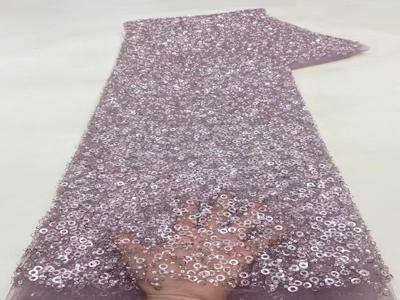
В мире, где доминируют массовое производство и цифровые технологии, ручная вышивка кружевной ткани остаётся уникальным искусством, которое соединяет прошлое с настоящим, традиции с инновациями. Это не просто ремесло, но форма выражения, которая несёт в себе историю, культуру и индивидуальность каждого мастера. В этой статье мы глубоко погрузимся в увлекательный мир ручной вышивки кружев, исследуя её истоки, эволюцию, техники, современные применения и то, как она продолжает вдохновлять и удивлять в 21 веке.
Искусство вышивки кружев имеет богатую историю, уходящую корнями в древние цивилизации. Первые упоминания о подобных техниках можно найти в культурах Древнего Египта, Китая и Византии, где вышивка использовалась для украшения одежды знати и религиозных артефактов. Однако настоящий расцвет кружевного искусства пришёлся на эпоху Возрождения в Европе, особенно в Италии, Франции и Бельгии. Именно здесь разрабатывались сложные техники, такие как венецианское кружево или брюссельские кружева, которые стали символом роскоши и статуса.
В России ручная вышивка кружев также имеет глубокие традиции, особенно в регионах, таких как Вологодская область, где развивалось знаменитое вологодское кружево. Эти техники передавались из поколения в поколение, сохраняя уникальные узоры и методы, которые отражали местную культуру и верования. С течением времени искусство эволюционировало, адаптируясь к изменяющимся модным тенденциям и технологиям, но всегда сохраняя свою ручную душу и индивидуальность.
Ручная вышивка кружевной ткани – это не только декоративное искусство, но и мощный культурный символ. Она воплощает в себе терпение, мастерство и творчество, часто ассоциируясь с женским рукоделием и семейными традициями. Во многих культурах кружевные изделия, такие как свадебные платья или религиозные облачения, имеют особое значение, передавая эмоции и истории через каждую петлю и стежок.
С художественной точки зрения, вышивка кружев позволяет создавать intricate designs that play with light, texture, and form. Мастера используют различные материалы – от традиционных льна и шелка до современных синтетических нитей – чтобы достичь эффектов прозрачности, объёма и динамики. Это искусство часто пересекается с другими областями, такими как мода, интерьерный дизайн и изобразительное искусство, демонстрируя свою универсальность и timeless appeal.
Существует множество техник ручной вышивки кружев, каждая со своими особенностями и требованиями. Некоторые из наиболее известных включают:
Каждая техника demands years of practice to master, emphasizing the importance of apprenticeship and continuous learning in this field. Tools range from simple needles and hoops to specialized equipment like lace pillows for bobbin work, highlighting the craftsmanship involved.
В 21 веке ручная вышивка кружевной ткани переживает ренессанс, thanks to a growing appreciation for handmade and sustainable products. Designers and artists are incorporating lace into high fashion, streetwear, and even technology, such as wearable art or interactive installations. Social media platforms like Instagram and Pinterest have become hubs for sharing techniques and inspiring a new generation of makers.
Innovations include the use of eco-friendly materials, such as organic cotton or recycled threads, and collaborations between traditional artisans and contemporary designers. For example, luxury brands often commission handmade lace for limited-edition collections, blending heritage with modernity. Additionally, educational programs and workshops are making this art more accessible, ensuring its survival and evolution.
Ручная вышивка кружев offers numerous benefits beyond its aesthetic appeal. It promotes mindfulness and relaxation, as the repetitive motions can be meditative. Economically, it supports local artisans and small businesses, contributing to cultural tourism and preservation. In terms of application, lace is used in various domains:
Moreover, learning this skill can enhance cognitive abilities, such as focus and creativity, making it a valuable hobby or profession.
Looking ahead, the future of hand-embroidered lace is bright but faces challenges, such as competition from machine-made alternatives and the need for broader recognition. However, trends toward sustainability and individuality are driving demand for authentic, handmade items. Initiatives like digital archives of traditional patterns and international collaborations are helping to preserve and innovate this art form.
As technology advances, we may see more fusion with digital tools, such as 3D printing of lace structures or AI-assisted design, but the human touch will always be irreplaceable. Education and mentorship will be key to passing skills to future generations, ensuring that this unique art continues to thrive and inspire.
Ручная вышивка кружевной ткани – это living art that bridges centuries of tradition with contemporary creativity. Its uniqueness lies in the personal connection between the maker and the piece, each stitch telling a story of patience, skill, and passion. As we navigate a fast-paced world, this art reminds us of the value of slowing down, appreciating beauty in detail, and preserving cultural heritage. Whether you are an artisan, a collector, or simply an admirer, the world of hand-embroidered lace invites you to explore its depths and be part of its enduring legacy.
Let's celebrate and support this magnificent craft, ensuring that it remains a vibrant part of our global artistic tapestry for years to come.
Предыдущая статья: Желтое кружево твоей мечты сногсшибательная находка
Следующий пост: Серое кружево символ элегантности или устаревшая тенденция
Адрес:Room 405, Juji Commercial Building, No. 5 Dexing Road, Pengshang, Lianbian, Helong Street, Guangzhou, Guangdong, China Телефон:1388xx888xx Мобильные телефоны:1388xx888xx Контактные лица:Shawn